






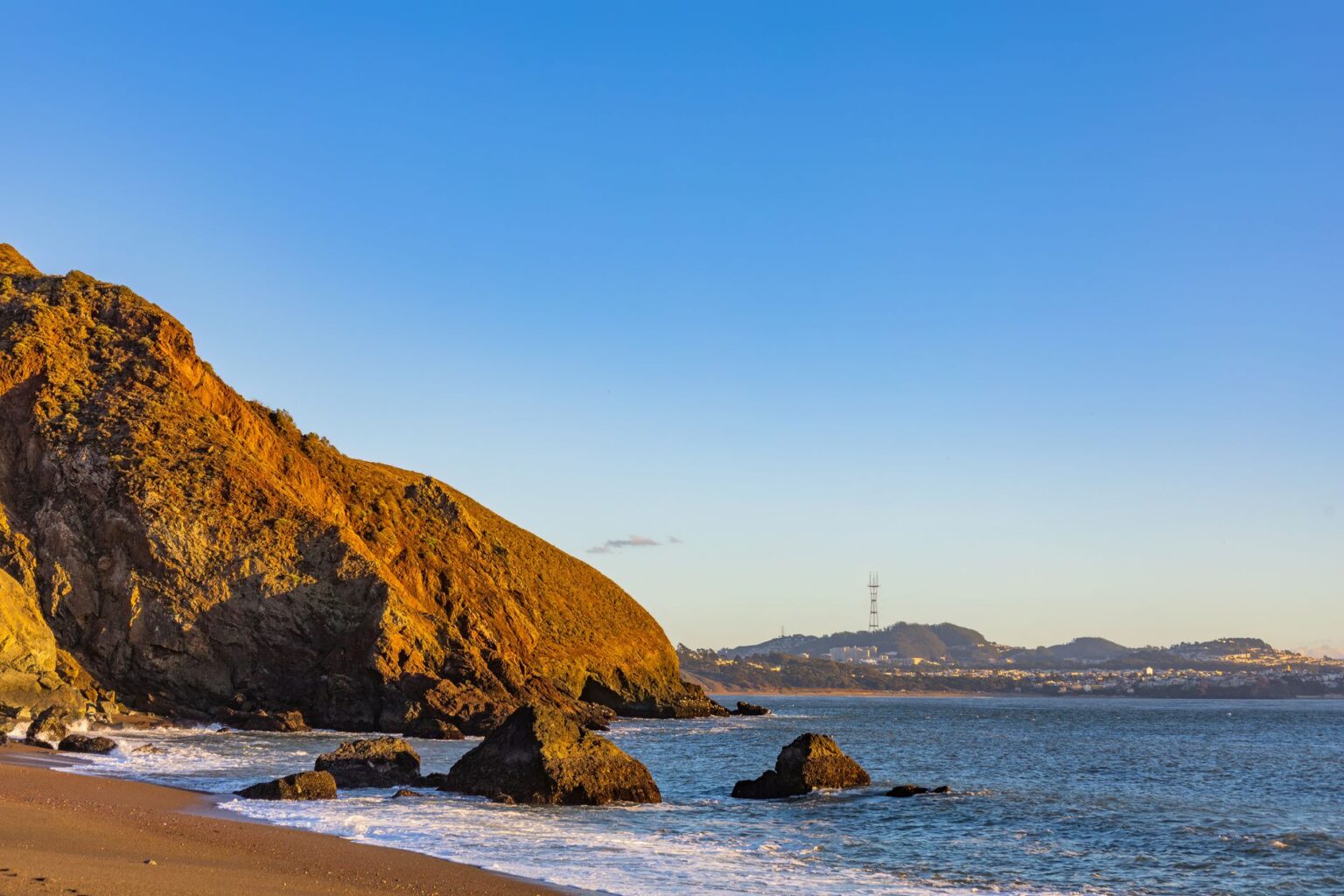

The Bay Area’s Housing Market Is Back — and It’s Fierce
San Francisco homes are once again making headlines for jaw-dropping sale prices, with properties routinely selling for $1 million or more above their asking prices. This remarkable resurgence is being driven by a powerful force reshaping the economy: the artificial intelligence boom. Tech workers flush with stock options, relocation packages, and soaring salaries are flooding back into one of America’s most iconic — and notoriously expensive — cities, reigniting a housing market that many had predicted would never fully recover from the pandemic-era exodus.
For buyers, sellers, and real estate professionals alike, the current market feels eerily reminiscent of the frenzied days of 2017 and 2018 — except this time, the numbers are even more extraordinary.
—
How the AI Boom Is Fueling San Francisco’s Real Estate Surge
The connection between artificial intelligence and real estate might not be immediately obvious, but in San Francisco, the two are deeply intertwined. The city and its surrounding Bay Area communities serve as the undisputed global headquarters of the AI industry. Companies like OpenAI, Anthropic, Google DeepMind, and dozens of well-funded startups have established major presences in the region, hiring thousands of engineers, researchers, product managers, and executives — many of whom are earning extraordinary compensation packages.
These employees are not just earning high salaries. They are receiving stock options in companies that have seen valuations skyrocket. When those options vest, workers find themselves with sudden, significant wealth. And for many of them, the most immediate way to deploy that wealth is purchasing a home in the city or neighborhood where they work.
The result? Bidding wars that would have seemed unimaginable just three or four years ago. Real estate agents across San Francisco, Palo Alto, Menlo Park, and neighboring communities are reporting that it is now commonplace for a listed home to receive ten, fifteen, or even twenty offers within days of hitting the market. Properties that might be listed at $2.5 million are closing at $3.5 million or beyond.
—
San Francisco Homes Selling for $1M Over Asking: Real Numbers Behind the Headlines
The statistics paint a vivid picture of just how competitive the market has become. According to recent data from the San Francisco Association of Realtors, the median over-asking premium — that is, the difference between the list price and the final sale price — has reached levels not seen in over a decade.
In highly desirable neighborhoods like Noe Valley, Pacific Heights, Cole Valley, and parts of the Mission District, homes are frequently clearing the $1 million over-asking threshold. One recently documented sale in Noe Valley saw a four-bedroom home listed at $2.8 million sell for just under $4 million after a frantic bidding war involving nearly a dozen prospective buyers.
These are not isolated incidents. They represent a systemic shift in the demand landscape, one powered by a concentrated influx of high-income buyers in a market that has always suffered from extremely limited housing inventory.
—
Why San Francisco’s Inventory Problem Isn’t Going Away
To fully understand the magnitude of current price premiums, it is essential to appreciate the structural supply shortage that has plagued San Francisco for decades. The city covers just 47 square miles and is bordered by the Pacific Ocean and San Francisco Bay, creating a hard geographic ceiling on expansion. Strict zoning regulations, community opposition to high-density development, and an extraordinarily complex permitting process have made it nearly impossible to build new housing at the pace demand requires.
Even during the pandemic years — when remote work triggered a notable population decline and rental prices fell sharply — the underlying inventory problem never went away. San Francisco did not build its way out of the shortage. It simply experienced a temporary reduction in demand. Now that demand has roared back, the same shortage that existed before is colliding with a wave of newly wealthy AI-sector buyers, and the results are explosive.
City planners and housing advocates have long called for sweeping zoning reform, accelerated permitting, and investment in affordable housing development. Progress has been painfully slow. Meanwhile, market forces are doing what market forces do — pushing prices to levels that strain credibility.
—
What This Means for First-Time Buyers and Middle-Income Residents
The return of eye-watering sale prices is wonderful news for sellers, a boon for real estate agents, and a validation for investors who held property through the uncertain pandemic years. But for first-time buyers and middle-income residents, the current market represents something closer to heartbreak.
Teachers, nurses, firefighters, restaurant workers, and the countless other essential workers who keep San Francisco functioning are being pushed further to the margins. Many have already relocated to distant suburbs or neighboring counties like Contra Costa, Alameda, or San Joaquin, enduring brutal commutes in exchange for housing they can actually afford.
Even buyers who would be considered well-compensated in virtually any other American city — those earning $200,000 or $250,000 per year — are finding themselves priced out of neighborhoods they had set their sights on. When the winning bid on a modest home requires $1 million above asking, even a dual-income professional couple faces an uphill battle.
Housing advocates argue that without aggressive policy intervention — including rent control expansion, inclusionary zoning requirements, and publicly funded affordable development — San Francisco risks becoming an enclave accessible only to the ultra-wealthy and the tech elite.
—
Neighborhoods Leading the Surge
While the price frenzy is visible across much of the city, certain neighborhoods are experiencing particularly intense competition.
Noe Valley remains a perennial favorite, prized for its sunny microclimate, village-like atmosphere, and excellent schools. Demand here consistently outpaces supply by a wide margin.
Pacific Heights continues to attract buyers seeking grand Victorian and Edwardian architecture with sweeping bay views, drawing both domestic and international buyers.
Cole Valley and the Inner Sunset have seen rising interest from buyers who want proximity to Golden Gate Park and a quieter residential feel while still accessing the city’s amenities.
The Mission District is drawing younger tech workers who value walkability, vibrant culture, and relative affordability — though “relative” is doing a lot of heavy lifting in that sentence.
—
Looking Ahead: Will the Frenzy Continue?
Market observers are divided on whether the current pace is sustainable. Optimists point to the continued explosive growth of AI as an industry, arguing that the Bay Area’s dominance in this sector will sustain demand for years to come. Pessimists note that interest rate fluctuations, potential tech sector corrections, and broader economic uncertainty could cool the market quickly.
What seems clear is that as long as the AI industry continues to generate extraordinary wealth concentrated in one geographic region, and as long as that region fails to build enough homes to accommodate demand, San Francisco’s housing market will remain one of the most competitive — and most unequal — in the world.
For sellers, the moment is golden. For everyone else, it is a stark reminder of how transformative economic booms can reshape a city in ways that benefit some while leaving many others further behind.