



When Technology Fails: How a Devastating Breach Left Thousands Stranded
A stunning cyberattack on a car breathalyzer firm has sent shockwaves through the transportation safety industry, leaving thousands of drivers completely unable to start their vehicles and exposing critical vulnerabilities in the infrastructure that modern society increasingly depends upon. The incident serves as a stark reminder that in our hyperconnected world, even the most seemingly straightforward safety devices are susceptible to catastrophic digital failures — with very real, very physical consequences for everyday people.
—
What Happened: The Stunning Cyberattack on a Car Breathalyzer Firm

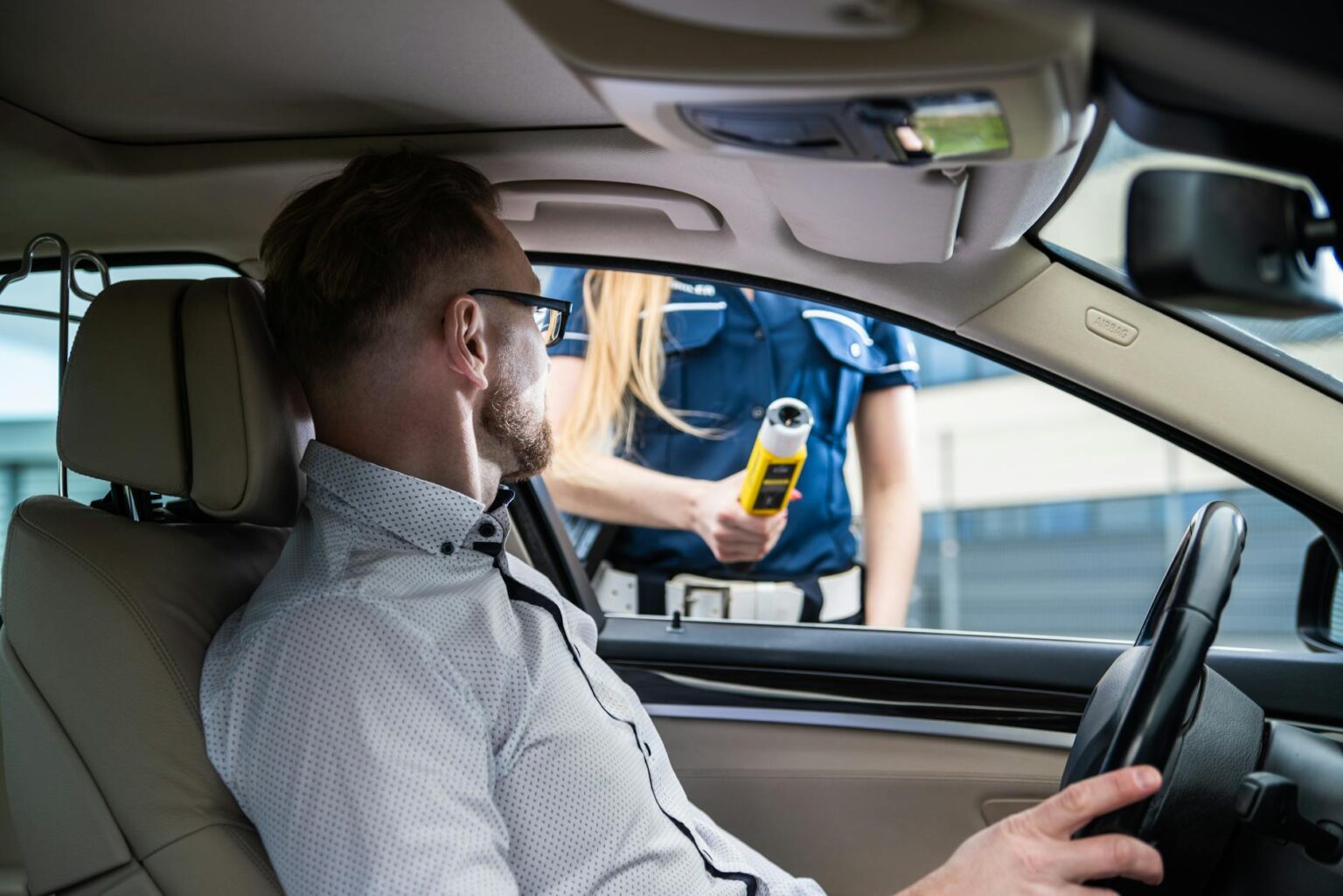
The attack targeted one of the leading providers of ignition interlock devices (IIDs), the court-mandated breathalyzer systems installed in vehicles belonging to individuals convicted of driving under the influence. These devices require drivers to blow into a mouthpiece before the car will start, with the results transmitted wirelessly to monitoring companies, probation officers, and, in some cases, state authorities.
When hackers penetrated the company’s core backend systems, they didn’t just steal data — they crippled the entire network infrastructure. Because modern ignition interlock devices rely on real-time connectivity to verify compliance and push software updates, the outage meant that thousands of enrolled vehicles simply would not respond. Drivers found themselves stranded in parking lots, driveways, and on the sides of roads, unable to commute to work, pick up children from school, or attend medical appointments.
The breach reportedly involved ransomware, a form of malicious software that encrypts a company’s data and systems until a ransom is paid. The attackers effectively held not just corporate files hostage — they held people’s mobility hostage.
—
The Human Cost: Drivers Hopelessly Stuck
The emotional and practical toll on affected drivers was immense. For many, an IID is already a source of shame and inconvenience — a daily reminder of a past mistake. To then be left completely unable to drive, with no warning and no immediate timeline for resolution, added layers of stress and humiliation that went far beyond a simple technical glitch.
Drivers who depend on their vehicles for employment — delivery workers, caregivers, construction crews — faced the prospect of losing wages or even their jobs. Some reported waiting hours on customer service lines only to be told that the company had no estimated time for restoration of services. Social media lit up with frustrated accounts from users across multiple states and countries, painting a picture of widespread chaos and helplessness.
For individuals still under court supervision, the situation carried legal risks as well. Missing required check-ins or failing to demonstrate compliance — even due to a technical failure outside their control — could theoretically trigger violations of their probation terms. Legal advocates quickly scrambled to contact courts and monitoring agencies to ensure that affected individuals would not be penalized.
—
Why Ignition Interlock Devices Are Vulnerable
The Double-Edged Sword of Connectivity
Modern ignition interlock devices are far more sophisticated than their predecessors. They typically feature cameras to verify the identity of the person blowing, GPS tracking to log location data, cellular connectivity to transmit results, and cloud-based dashboards accessible by law enforcement and compliance officers. This rich feature set makes them powerful compliance tools — but it also dramatically expands the attack surface available to malicious actors.
When every device in a fleet is connected to a centralized cloud platform, a single breach can have cascading, system-wide consequences. It’s the classic cybersecurity paradox: the more connected and functional a system becomes, the more vulnerable it is to coordinated attacks.
Outdated Security Practices in a Niche Industry
Cybersecurity experts who analyzed the incident pointed to systemic issues common in niche, specialized industries. Companies in the IID space — primarily focused on compliance technology rather than cybersecurity — have historically invested relatively little in robust digital defenses. Many operate legacy systems that are difficult to patch or update, lack proper segmentation between public-facing and internal networks, and have minimal redundancy protocols to maintain service during an outage.
“These companies are being trusted with sensitive personal data, GPS location data, and the literal mobility of people under court supervision,” said one cybersecurity analyst familiar with the case. “The security standards should reflect that level of responsibility, and in many cases, they simply don’t.”
—
The Broader Implications for Connected Safety Technology
This incident doesn’t exist in a vacuum. It is part of a growing and deeply troubling trend of cyberattacks targeting critical infrastructure and safety-adjacent systems. From hospital networks to water treatment facilities to traffic management systems, the pattern is consistent: technology intended to protect and serve people becomes a liability when inadequately secured.
The car breathalyzer attack raises urgent questions about regulatory oversight. Currently, there is no unified federal standard in the United States governing the cybersecurity requirements of ignition interlock device providers. States typically certify these devices for functional accuracy — measuring blood alcohol levels correctly — but rarely scrutinize the digital security architecture behind the systems.
Advocacy groups and legal organizations are now calling for immediate legislative action to address this gap. Proposed measures include mandatory cybersecurity audits for IID providers, requirements for offline fallback modes that allow devices to function during outages, and clear liability frameworks for when companies fail to protect drivers from these kinds of disruptions.
—
What Needs to Change
Redundancy and Offline Functionality
Perhaps the most actionable short-term fix is requiring that ignition interlock devices include a robust offline mode. Rather than depending entirely on continuous cloud connectivity, devices should be engineered to cache compliance data locally and allow vehicles to start based on stored credentials during verified outages. This would prevent legitimate drivers from being stranded while still maintaining the integrity of the monitoring program.
Stronger Industry-Wide Cybersecurity Standards
Regulatory bodies must step in to impose meaningful cybersecurity standards on IID providers. These should include regular third-party penetration testing, mandatory incident response plans, encryption standards for all transmitted data, and clear communication protocols for notifying users and courts during service disruptions.
Driver Protections During Technical Failures
Courts and state monitoring agencies also need updated policies that explicitly protect drivers from legal consequences resulting from documented technical failures on the part of service providers. Drivers should never bear the burden of a company’s cybersecurity shortcomings.
—
Conclusion: A Wake-Up Call We Cannot Afford to Ignore
The stunning cyberattack on this car breathalyzer firm is more than a corporate IT crisis — it is a vivid, human demonstration of what happens when critical, court-mandated technology is treated as an afterthought in terms of digital security. Thousands of people were left hopelessly stuck, their daily lives disrupted and their legal standing potentially threatened, through absolutely no fault of their own.
As we continue to weave digital connectivity into the fabric of justice, transportation, and public safety, the stakes of getting cybersecurity right have never been higher. The question is no longer whether attacks like this will happen again — it’s whether we’ll have the wisdom to prepare before they do.