



A New Era for American Infrastructure: How Trump Secured Stunning Data Center Pledges to Fund Their Own Power Generation
Trump secures stunning data center pledges in what analysts are calling one of the most ambitious infrastructure initiatives in recent American history. The administration has brokered a series of extraordinary commitments from some of the world’s largest technology companies, requiring them to fund their own dedicated power generation infrastructure as a condition of expanding their data center operations on American soil. This move signals a dramatic shift in how the United States approaches the intersection of artificial intelligence development, energy policy, and national economic strategy.
The Scale of the Commitments
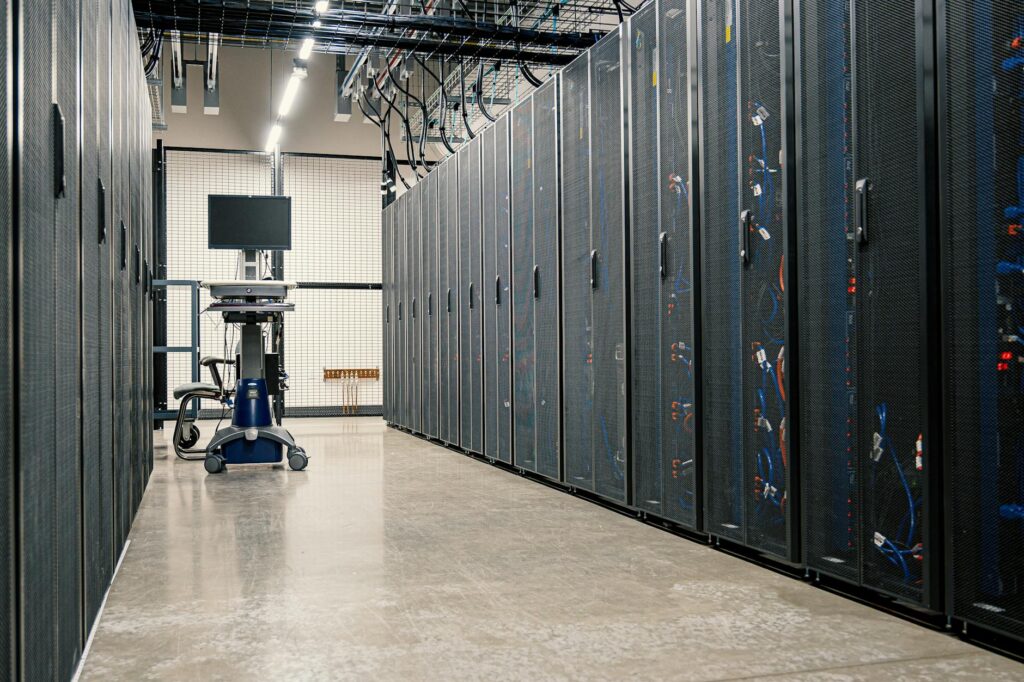
The pledges are nothing short of historic. Companies including Microsoft, Google, Amazon, Oracle, and a coalition of other tech giants have collectively committed hundreds of billions of dollars toward building new AI-focused data centers across the United States. What makes these commitments uniquely different from past infrastructure announcements is the explicit requirement that these corporations must also fund the power plants and energy infrastructure needed to run their facilities — rather than relying solely on existing public utility grids.
The logic is straightforward: modern data centers, particularly those powering artificial intelligence models, consume extraordinary amounts of electricity. A single large-scale AI data center can draw as much power as a small city. As these facilities have multiplied across the country, they have placed increasing strain on aging electrical grids, driving up costs for ordinary consumers and raising serious questions about energy reliability.
By requiring tech companies to fund their own power generation, the administration is effectively ensuring that the AI boom does not come at the expense of everyday Americans’ energy bills or grid stability.
Trump Secures Stunning Data Center Pledges: What the Deals Actually Look Like
The specific terms of these agreements vary by company, but several common threads have emerged. Most of the major players are being encouraged — and in some cases required — to invest in dedicated power generation projects alongside their data center construction. These include:
– Natural gas power plants built specifically to serve individual campuses
– Small modular nuclear reactors (SMRs), with several companies already signing agreements with nuclear technology developers
– Large-scale solar and wind installations paired with battery storage systems
– Partnerships with independent power producers to build private transmission lines
Oracle, for example, has announced plans to build data centers backed by nuclear power. Microsoft has made significant investments in nuclear energy partnerships, while Google has committed to exploring geothermal energy solutions in addition to more conventional renewables. These are not vague promises — many of these commitments come with signed contracts, timelines, and in some cases, regulatory filings already underway.
Why This Strategy Makes Sense for America
From a national security standpoint, the approach has clear merit. Concentrating enormous energy demand in public grids without a corresponding expansion of supply creates dangerous vulnerabilities. A cyberattack, extreme weather event, or simple overcapacity could cripple both the AI infrastructure that companies have invested in and the broader grid serving millions of homes and businesses.
By pushing data centers to become more energy self-sufficient, the administration is distributing risk and encouraging private investment in energy production that would otherwise fall entirely on taxpayers or ratepayers.
There is also a significant jobs component to this initiative. Building power plants — whether nuclear, gas, or renewable — requires substantial labor. Construction crews, engineers, electricians, project managers, and long-term operational staff all represent well-paying jobs that will ripple through local economies across the country.
The Role of Artificial Intelligence in Driving Demand
It is impossible to understand why these pledges matter without appreciating just how dramatically AI has transformed energy consumption patterns. The training and operation of large language models, image generation systems, and other advanced AI applications require massive parallel computing power running around the clock. Unlike traditional office computing, which experiences peaks and troughs throughout the day, AI infrastructure tends to operate at sustained high load.
According to several energy research firms, data center electricity consumption in the United States could double or even triple by the end of the decade if growth continues at its current pace. This is not a hypothetical future concern — it is already happening. Grid operators in Virginia, Texas, and other major data center hubs are already grappling with capacity constraints that were unimaginable just five years ago.
Criticism and Challenges
Not everyone is celebrating. Some energy policy experts and consumer advocates have raised concerns about the long-term implications of allowing large corporations to effectively build private electricity systems. If tech giants control their own power generation, they may gain an outsized advantage over smaller competitors who still rely on public utility pricing.
Environmental groups have expressed mixed reactions. While they appreciate commitments to renewables and nuclear energy, some are concerned about the natural gas components of several announced plans. Critics argue that locking in gas-fired power generation for decades could undermine the country’s broader climate commitments.
There are also practical questions about permitting and construction timelines. Building a power plant — even a relatively simple gas-fired one — takes years under normal circumstances. The nuclear options face even longer development windows. Some analysts question whether these commitments, however genuine, will materialize quickly enough to keep pace with the AI infrastructure being built right now.
A Defining Moment for U.S. Tech and Energy Policy
Despite these concerns, the initiative represents a genuinely novel approach to one of the most pressing infrastructure challenges of the modern era. By aligning private sector investment incentives with national energy needs, the administration has created a framework where the companies most responsible for surging energy demand are also the ones funding solutions to meet it.
Whether the pledges translate into reality at the scale promised remains to be seen. But the fact that some of the world’s most powerful and well-resourced corporations are now formally committed to building the energy infrastructure that powers their ambitions marks a significant turning point. America’s AI future and its energy future are now, more than ever, deeply intertwined — and the private sector has been handed both the responsibility and the resources to help shape them both.