
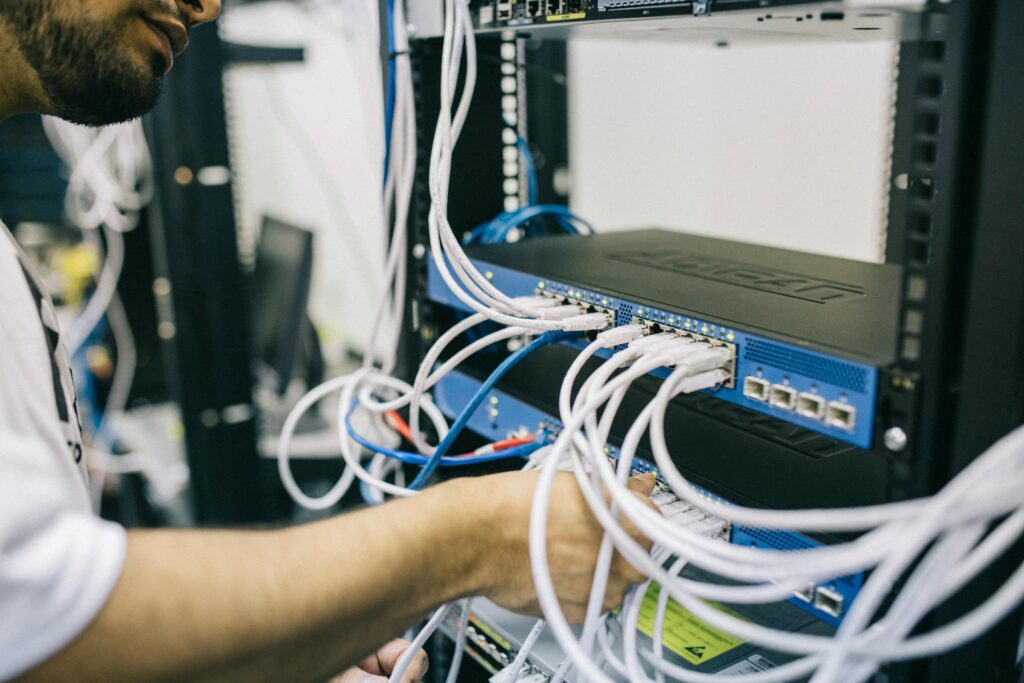



The Stunning Truth Behind the Stryker Windows Network Attack
Stryker Windows found itself at the center of a cybersecurity crisis that sent shockwaves through the business community and raised urgent questions about the vulnerability of modern corporate networks. What began as a seemingly routine operational disruption quickly unraveled into a full-scale network attack — one that exposed critical weaknesses in digital infrastructure and forced the company to make the difficult decision to shut down key systems. Understanding what happened, how it happened, and what it means for businesses everywhere is essential in today’s increasingly dangerous digital landscape.
—
What Is Stryker Windows?

Before diving into the details of the attack, it’s important to understand the company at the center of this story. Stryker Windows is a well-known manufacturer and distributor of window and door products, operating across multiple regions with a significant workforce and a complex digital ecosystem. Like many mid-to-large-sized manufacturing firms, the company relies heavily on interconnected systems — from supply chain management software to customer relationship platforms and employee networks.
This kind of digital dependency, while essential for operational efficiency, also creates a wide attack surface for cybercriminals looking to exploit vulnerabilities.
—
How the Stryker Windows Network Attack Unfolded
The attack on Stryker Windows did not happen in isolation. Cybersecurity experts who analyzed the incident suggest that the breach likely began weeks — possibly months — before any visible disruption occurred. This is a common pattern in sophisticated cyberattacks, where threat actors quietly infiltrate a network, gather intelligence, and position themselves for maximum impact before making their move.
Initial reports indicated that employees began noticing unusual system behavior, including slow network performance, unexpected login prompts, and restricted access to files. These are classic early warning signs of a ransomware infection or network intrusion — signs that, unfortunately, are often dismissed as routine IT glitches until it’s too late.
Once the attackers had gained sufficient access, they executed their payload. Systems across the organization began to lock up. Data became inaccessible. Operations that depended on those systems ground to a halt, and the decision was made to shut down portions of the network to contain the damage.
—
The Decision to Shut Down: Why It Was Necessary
One of the most significant and misunderstood aspects of the Stryker Windows network attack is the shutdown itself. Many people outside the cybersecurity field wonder: why would a company voluntarily take down its own systems?
The answer lies in containment. When ransomware or a similar threat is detected mid-spread, every connected device becomes a potential victim. By isolating and shutting down network segments, IT teams can prevent the attack from jumping to additional systems, protect backups that haven’t yet been compromised, and begin the recovery process from a stable foundation.
In the case of Stryker Windows, the shutdown — while disruptive — was almost certainly a calculated and necessary move. The alternative, allowing the attack to propagate unchecked, could have resulted in far greater data loss, financial damage, and reputational harm.
—
The Broader Implications of the Stryker Windows Network Attack
The Stryker Windows network attack is not an isolated incident. It represents a growing trend of cyberattacks targeting manufacturing and construction-related businesses — sectors that have historically underinvested in cybersecurity compared to industries like finance or healthcare.
Why Manufacturing Companies Are Prime Targets
Cybercriminals are opportunistic. They target industries where:
– Operational downtime is extremely costly — halting production lines creates immediate financial pressure to pay ransoms quickly.
– Legacy systems are common — older software and hardware often lack modern security patches, making them easier to exploit.
– Supply chain complexity creates entry points — third-party vendors, contractors, and partners with network access can serve as weak links.
– Cybersecurity investment is lower — many manufacturers still view cybersecurity as an IT expense rather than a business-critical investment.
Stryker Windows, operating in the window and door manufacturing space, fits several of these criteria, making it an attractive target for threat actors looking for high-leverage victims.
—
What Type of Attack Was It?
While the full technical details of the Stryker Windows network attack have not been entirely disclosed publicly, the pattern of behavior strongly suggests a ransomware attack, possibly combined with data exfiltration techniques common in what’s known as “double extortion” schemes.
In a double extortion attack, criminals don’t just encrypt your data — they also steal it. They then threaten to publish sensitive company information, customer data, or proprietary records online unless a ransom is paid. This puts companies in a deeply uncomfortable position: even if they restore their systems from backups, the threat of data exposure remains.
If this was the model used against Stryker Windows, the company would have faced pressure not only to restore operations but also to consider whether sensitive data belonging to employees, customers, or partners had been compromised.
—
Lessons Learned: Protecting Your Business Network
The Stryker Windows network attack offers critical lessons for businesses of every size and industry. Cybersecurity is no longer optional — it is an existential business concern.
Key Steps Every Business Should Take
1. Conduct Regular Security Audits — Identify vulnerabilities before attackers do. Penetration testing and network assessments should be routine, not reactive.
2. Implement Multi-Factor Authentication (MFA) — A significant number of breaches begin with stolen credentials. MFA adds a critical layer of protection.
3. Maintain Offline Backups — Backups stored on the same network as your primary systems can be encrypted along with everything else. Air-gapped or offsite backups are essential.
4. Train Employees — Human error remains one of the most common entry points for cyberattacks. Phishing awareness training can dramatically reduce risk.
5. Develop an Incident Response Plan — Know what to do before an attack happens. Who do you call? What systems do you isolate first? Having a plan reduces chaos and limits damage.
6. Work with Third-Party Cybersecurity Experts — Internal IT teams are valuable, but specialized cybersecurity firms bring tools and experience that general IT staff often lack.
7. Keep Software and Systems Updated — Unpatched vulnerabilities are a cybercriminal’s best friend. Regular updates close the doors that attackers rely on.
—
The Road to Recovery
Recovering from a cyberattack is rarely fast or simple. For Stryker Windows, the path to restoring full operations likely involved forensic analysis to understand exactly how the attackers got in, remediation of compromised systems, rebuilding trust with employees and customers, and potentially regulatory compliance steps depending on what data was affected.
The financial cost of such recovery — including lost productivity, remediation expenses, potential legal liability, and reputational damage — can be staggering. Industry studies suggest the average cost of a ransomware attack for mid-sized companies runs into the millions of dollars when all factors are considered.
—
Final Thoughts
The Stryker Windows network attack is a stark reminder that no company is too small, too niche, or too obscure to be targeted. Cybercriminals are sophisticated, patient, and highly motivated by financial gain. They do not discriminate by industry — they discriminate by opportunity.
For businesses watching this story unfold, the takeaway should be clear: invest in cybersecurity now, or potentially pay a far greater price later. The shutdown that Stryker Windows endured was not a sign of weakness — it was a necessary step in an incredibly difficult situation. What matters most now is what the company, and the broader business community, learns from it.
Cyberattacks will continue to evolve. The only question is whether your organization will be ready when the next one comes.