




The Tech Giant’s Bold Bet: How Meta’s AI Investment Is Reshaping the Future of Technology
Meta AI investment is no longer a quiet line item buried in quarterly earnings reports — it has become the defining financial story of one of the world’s most powerful technology companies. With billions of dollars flowing into data centers, hardware infrastructure, and artificial intelligence research, Meta Platforms is making it abundantly clear that the future of its business — and perhaps the internet itself — runs on AI.
—
Meta AI Investment: Understanding the Scale of Spending

When Meta CEO Mark Zuckerberg announced plans to dramatically scale up capital expenditures in 2024 and beyond, the technology world took notice. The company revealed it expects to spend between $60 billion and $65 billion in capital expenditures in 2025 alone, a figure that dwarfs previous years and signals an unprecedented commitment to artificial intelligence infrastructure.
To put that in perspective, that level of spending is roughly equivalent to the GDP of several small nations — and it’s all being funneled into building the computational backbone that will power the next generation of AI-driven products and services.
This isn’t a reactive move. Meta has been quietly laying the groundwork for this kind of investment for years, but recent competitive pressure from OpenAI, Google DeepMind, and Amazon Web Services has accelerated the timeline dramatically.
—
Why Data Centers Are at the Heart of Everything
Modern AI systems — particularly large language models and generative AI tools — require extraordinary amounts of computing power. Training a single AI model can require thousands of high-end graphics processing units (GPUs) running simultaneously for weeks or even months. Inference, the process by which trained models generate responses in real time, adds yet another layer of computational demand.
This is precisely why data centers have become the crown jewels of the AI race. Meta is investing heavily in constructing and expanding data center campuses across the United States and internationally. The company’s planned data center in Louisiana, for example, is expected to span over four million square feet, making it one of the largest data centers ever constructed anywhere in the world.
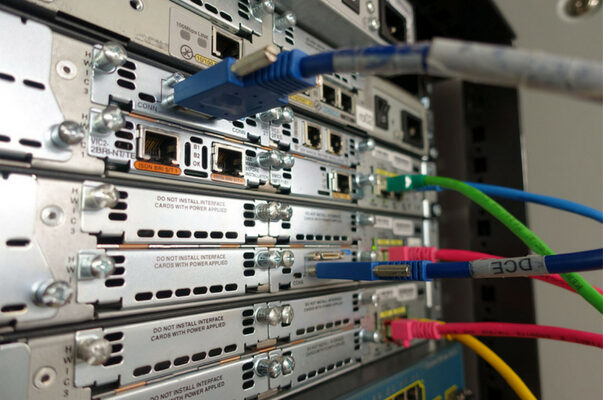
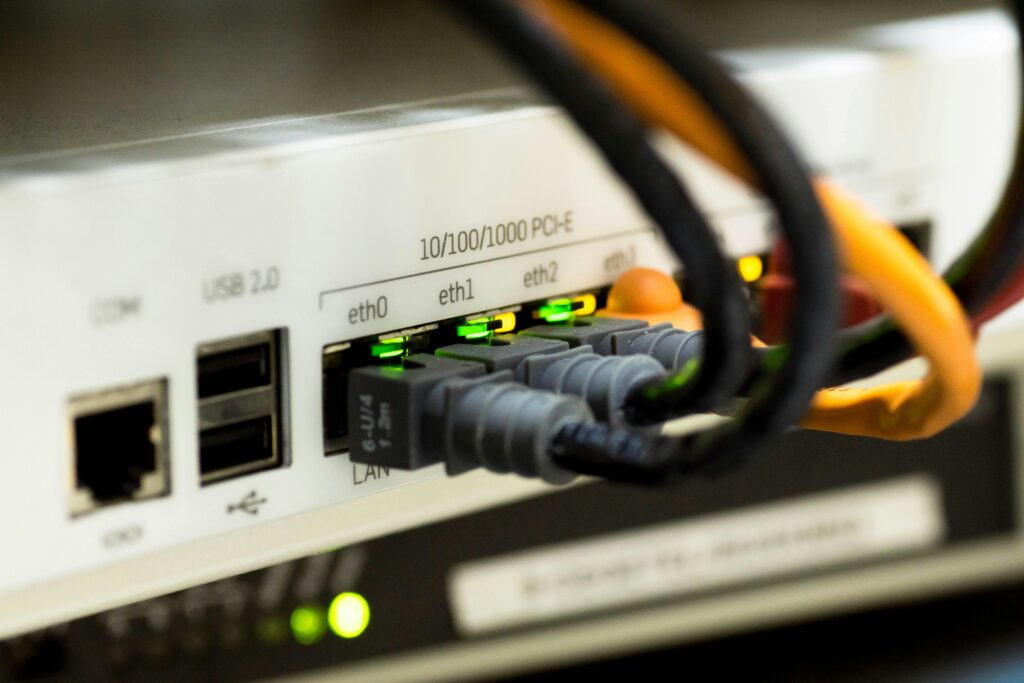
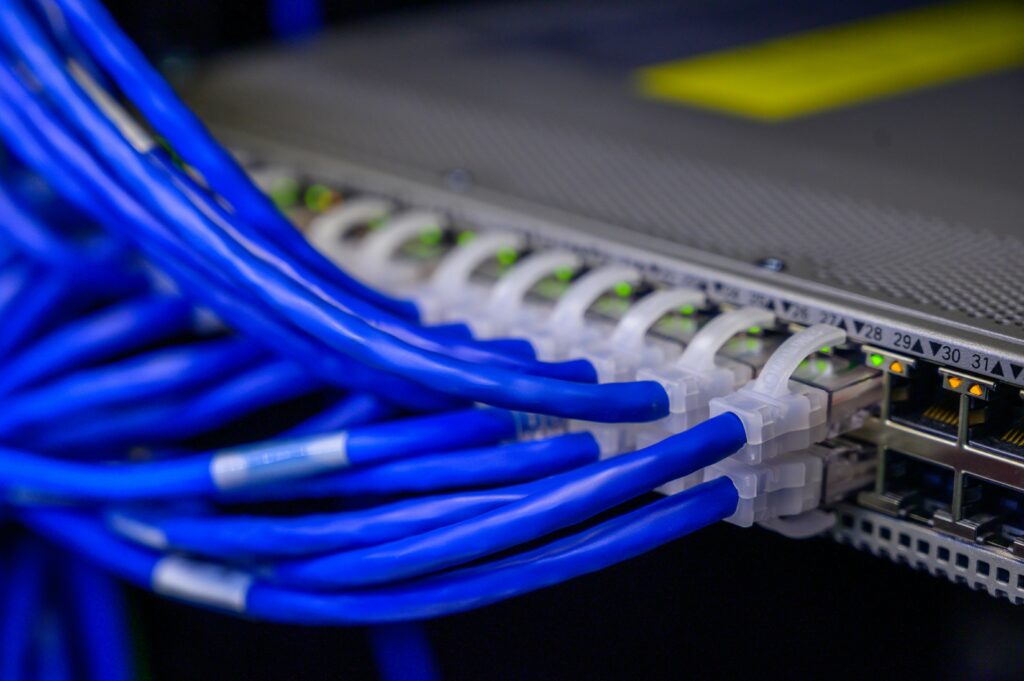
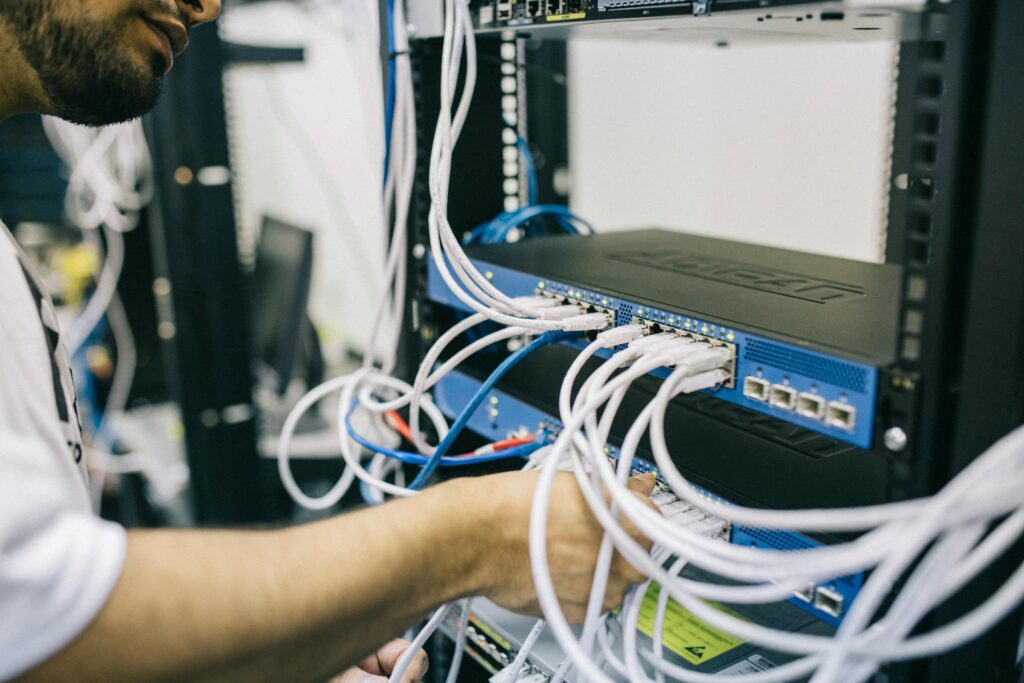
These facilities don’t just house servers. They represent entire ecosystems of cooling systems, energy infrastructure, custom silicon chips, and fiber optic networks — all working in concert to enable AI systems to function at scale.
—
Custom Silicon and the Push for Independence
One of the most strategically significant dimensions of Meta’s AI investment push is its development of custom AI chips. Rather than relying exclusively on Nvidia’s industry-dominant GPUs, Meta has been investing in its own silicon through its Meta Training and Inference Accelerator (MTIA) program.
This move mirrors similar strategies employed by Google (which developed its Tensor Processing Units) and Amazon (which created its Trainium and Inferentia chips). By developing proprietary hardware, Meta aims to reduce costs, improve performance for its specific workloads, and reduce its dependency on third-party chipmakers.
For a company processing hundreds of billions of pieces of content daily across Facebook, Instagram, and WhatsApp, even marginal improvements in chip efficiency translate into massive cost savings over time.
—
Meta AI Investment and the Products It Will Power
All of this infrastructure spending isn’t happening in a vacuum. Meta has been rolling out AI features at a rapid pace, and the company clearly intends to accelerate that trend. The Meta AI assistant, which is now integrated across WhatsApp, Messenger, Instagram, and Facebook, represents just the tip of the iceberg.
The company is also pushing aggressively into:
– AI-generated content tools for creators and advertisers
– Smart glasses and mixed reality devices, particularly through its Ray-Ban Meta smart glasses line
– AI agents capable of performing complex tasks autonomously on behalf of users
– Open-source AI models through its LLaMA series, which have become foundational tools for developers worldwide
Each of these product initiatives depends directly on the data center and AI infrastructure being built right now. Without the computational capacity to serve billions of users simultaneously, none of these ambitions could scale.
—
The Financial Risks and Rewards
Wall Street has responded to Meta’s spending plans with a mixture of admiration and anxiety. Investors who lived through the costly and painful “metaverse era” — when Meta burned through tens of billions of dollars on virtual reality with limited returns — are understandably cautious about another era of heavy capital expenditure.
However, there are key differences this time around. AI features are already demonstrably increasing engagement and advertising revenue on Meta’s platforms. AI-powered ad targeting improvements alone are credited with a significant portion of the revenue growth Meta has posted in recent quarters.
Moreover, the competitive landscape makes this spending feel less optional. Companies that fail to invest adequately in AI infrastructure risk falling behind in the capabilities race — a risk that could have existential consequences in an industry evolving as rapidly as this one.
Analysts at Goldman Sachs and Morgan Stanley have both noted that while the near-term earnings impact of this spending will be significant, the long-term return on investment could be substantial if Meta successfully builds and monetizes AI at scale.
—
Environmental and Energy Considerations
One dimension of Meta’s data center expansion that deserves serious attention is its environmental footprint. Data centers are enormous consumers of electricity, and as Meta’s infrastructure grows, so too does its energy demand. The company has pledged to run its global operations on 100% renewable energy, but meeting that commitment while simultaneously scaling capacity at this speed presents real challenges.
Meta has entered into multiple power purchase agreements with renewable energy providers and is exploring nuclear energy partnerships as part of a longer-term energy strategy. The company’s approach to sustainability will be a critical factor not only in its public image but also in its operational costs over the coming decade.
—
A Defining Moment in the AI Race
The story of Meta’s AI investment is ultimately a story about survival and ambition. In an era when AI is reshaping how people communicate, create, and consume information, companies that control the underlying infrastructure hold enormous power. Meta, having built its empire on social connectivity, is now betting that the next phase of that empire will be built on artificial intelligence.
The data centers going up across the American landscape are more than buildings — they are monuments to a calculated and high-stakes wager on the future. Whether that wager pays off will depend on execution, competition, regulation, and the unpredictable pace of technological change.
What is certain is that the scale of commitment being made today is unlike anything the company has attempted before, and its ripple effects will be felt across the technology industry, the global economy, and the daily lives of billions of people for years to come.