

When Safety Becomes the Priority: How a Security Threat Reshaped Working Norms at Anthropic
Anthropic staff were urged to work from home following a stunning security strike threat that sent ripples through one of Silicon Valley’s most closely watched artificial intelligence companies. The incident, while unsettling, shone a spotlight on the intersection of physical security, employee wellbeing, and the increasingly high-stakes world of AI development — a world where the stakes are not merely financial but, arguably, civilizational.
This story is more than just a headline about a tech company going remote for a day. It raises deeper questions about the vulnerability of AI research institutions, the growing tensions surrounding advanced technology development, and what organizations like Anthropic must do to protect both their people and their mission.
—
The Incident That Prompted Anthropic Staff to Work From Home
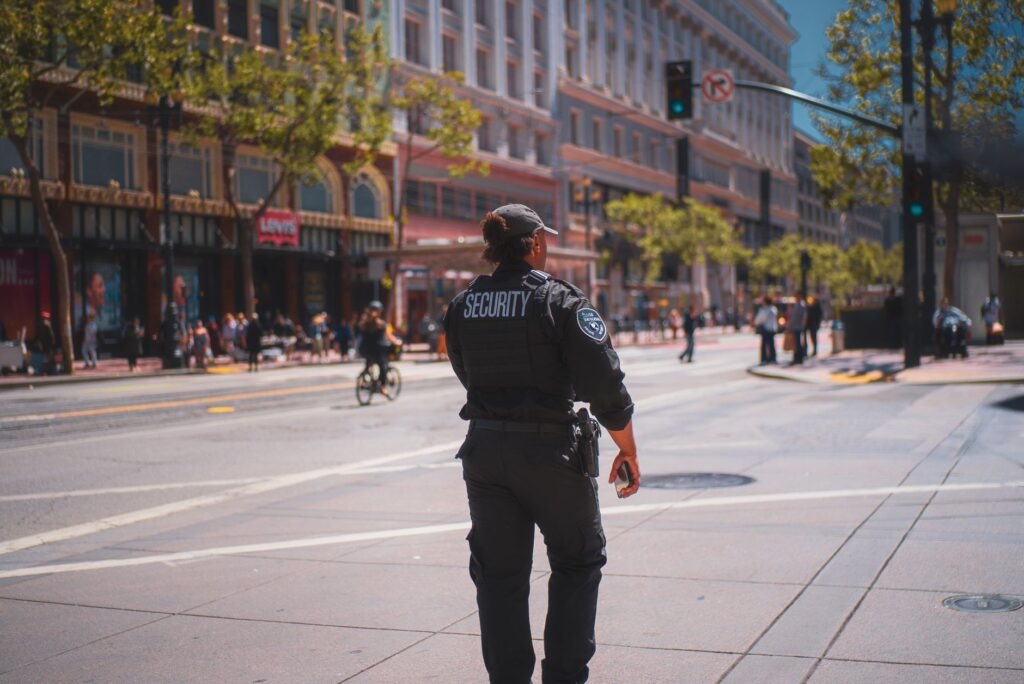
Details surrounding the specific nature of the security strike threat remain limited, as is typical in situations where law enforcement and corporate security teams prefer to limit public disclosure. What is known is that Anthropic — the safety-focused AI company founded in 2021 by former OpenAI researchers including Dario Amodei and Daniela Amodei — communicated to its workforce that working from home was the safest and most prudent course of action in light of the credible concern.
For a company that prides itself on thoughtful, measured decision-making, the move was entirely consistent with its broader culture. Anthropic has long emphasized that safety is not just a marketing talking point but a core operating principle. Applying that principle to the physical safety of its own employees is a natural extension of that philosophy.
Security threats against technology companies — particularly those working on cutting-edge or controversial technologies — are unfortunately not unprecedented. But an AI safety company receiving a threat of this nature carries a particular kind of symbolism that is difficult to ignore.
—
Why AI Companies Are Increasingly in the Crosshairs
The past several years have seen artificial intelligence move from a largely academic curiosity to a genuinely transformative force reshaping industries, economies, and even geopolitical power structures. With that transformation has come an enormous amount of public attention — and not all of it is positive.
Critics of AI development span a remarkably wide spectrum. On one end, you have researchers and ethicists who worry that powerful AI systems are being developed too quickly without adequate safeguards. On the other, there are communities who believe AI is fundamentally threatening human livelihoods through automation and displacement. Some groups hold more radical views, seeing AI development itself as an existential danger that must be stopped at all costs.
Anthropic, despite positioning itself as the responsible, safety-first alternative to faster-moving competitors, is not immune to this scrutiny. In fact, some critics argue that safety-focused framing can serve as a kind of cover that legitimizes continued and rapid development of powerful systems. Whether one agrees with that critique or not, it illustrates just how charged the public conversation around AI has become — and how that charged atmosphere can, in extreme cases, manifest as physical threats.
—
What This Means for the Future of AI Workplace Security
The Anthropic incident is likely to accelerate conversations already quietly happening across the AI industry about physical and operational security. Unlike traditional technology companies whose products might feel abstract or distant from everyday concerns, AI companies are developing systems that millions of people interact with daily, feel passionately about, and in some cases fear deeply.
Strengthening Physical Security at AI Research Institutions
Major AI labs — including Anthropic, OpenAI, Google DeepMind, and others — have already invested significantly in cybersecurity. The protection of model weights, proprietary research, and sensitive training data is treated with the seriousness of a national security matter. But physical security has, in some ways, lagged behind.
The incident at Anthropic may prompt a more comprehensive review of physical security protocols across the broader industry. This could include enhanced screening processes for visitors, greater collaboration with local law enforcement, investment in security personnel, and contingency planning that includes flexible working arrangements as a rapid-response tool.
Working from home, in this context, is not simply a perk or a lifestyle preference — it becomes a legitimate safety instrument in an organization’s emergency toolkit.
Remote Work as an Emergency Response Tool
The pandemic fundamentally changed how organizations think about remote work. What was once considered a concession or a logistical challenge became, for many companies, a demonstration that distributed work could be both productive and resilient.
For Anthropic, a company that has maintained some degree of flexible working culture, the ability to quickly transition its staff to remote operations in response to a security threat represents a genuine operational advantage. The fact that the company could issue that guidance and have confidence that its workforce could remain productive speaks to the importance of maintaining remote-work infrastructure even as many companies have pushed aggressively for full in-office returns.
—
Anthropic’s Culture of Caution: A Closer Look
To understand why Anthropic responded to this threat the way it did, it helps to understand the company’s foundational culture. Anthropic was born out of concerns — both ethical and practical — about the pace of AI development. Its founders left OpenAI, in part, because they believed safety research needed to be treated as a first-class priority rather than a secondary consideration.
That founding philosophy permeates everything from how the company conducts its research to how it communicates with the public and, evidently, how it responds to threats against its people. A company that genuinely believes in long-term thinking and harm prevention is likely to err on the side of caution when employee safety is concerned — even if that means disruption, even if it means a day or more of organizational turbulence.
In many ways, the decision to urge staff to work from home was Anthropic being entirely consistent with who it says it is.
—
The Broader Conversation This Incident Should Spark
Beyond the specific circumstances of this threat, the incident raises important questions that the entire technology industry — and society more broadly — should be asking.
How do we protect the people working on technologies that are reshaping the world? How do we create conditions where researchers feel safe enough to do their best work without the chilling effect of fear? And how do organizations balance transparency with the public against the operational need for discretion during sensitive security situations?
There are no easy answers. But the willingness to ask these questions honestly, as Anthropic appears committed to doing, is itself a meaningful step forward.
The world is watching AI development with an intensity that is unlikely to diminish. If anything, as AI systems become more capable and more deeply embedded in critical infrastructure, the stakes — and the passions — will only grow. Ensuring that the people doing this work can do so safely is not merely a human resources consideration. It is a prerequisite for the kind of thoughtful, deliberate, safety-conscious AI development that organizations like Anthropic claim to champion.
—
Final Thoughts
A security threat is never a welcome event. But how an organization responds to that threat says a great deal about its values. Anthropic’s swift move to protect its employees by urging them to work from home reflects a company culture that takes its stated principles seriously — not just in the lab, but in the real world, on real days, when real decisions have to be made quickly.
As the AI industry continues to grow and attract ever greater public scrutiny, incidents like this will likely become more common. The question is not whether companies will face these challenges, but whether they will be prepared — in terms of infrastructure, culture, and leadership — to respond with the care and decisiveness that their people deserve.