






Amazon’s Bold Move Into the Future of Play and Learning
Humanoid robots for kids are no longer the stuff of science fiction — they are quickly becoming a commercial reality, and Amazon has just made a stunning move to ensure it leads the charge. The e-commerce and technology giant has recently revealed a significant startup acquisition that signals its deep ambitions in the world of robotics, artificial intelligence, and children’s education. This development has sent ripples through the tech industry, sparking conversations about what the future of childhood interaction with technology might look like.
—
What Is the Acquisition All About?
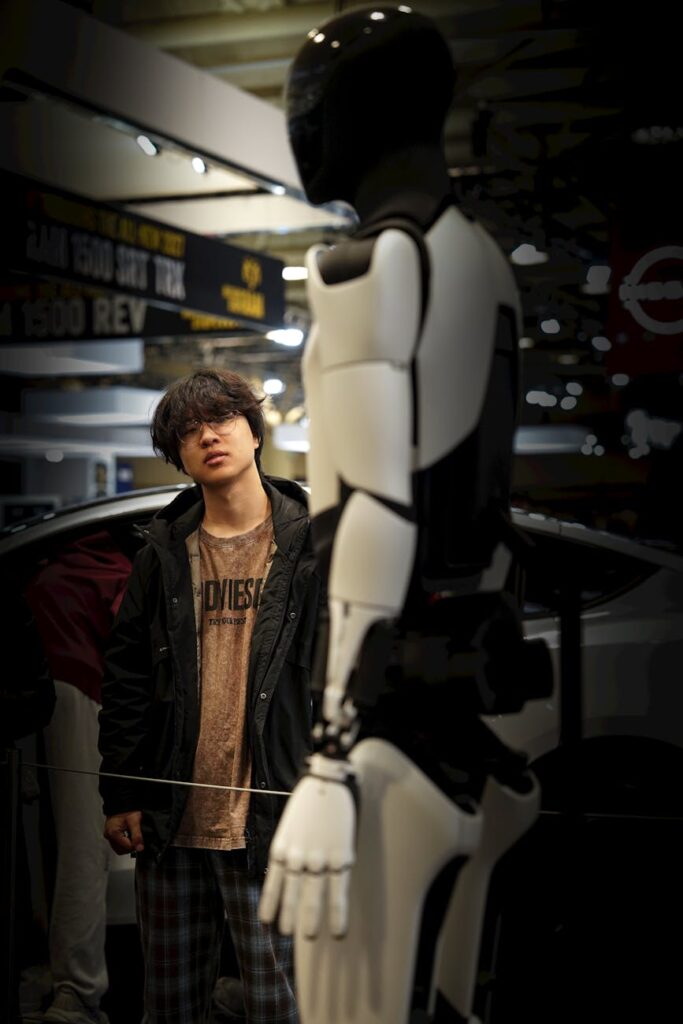
Amazon’s latest acquisition involves a cutting-edge robotics startup that has been quietly developing humanoid robots specifically designed to interact with children. While Amazon has long been associated with warehouse automation and its Astro home robot, this new move marks a deliberate pivot into the consumer robotics market — particularly targeting families and younger audiences.
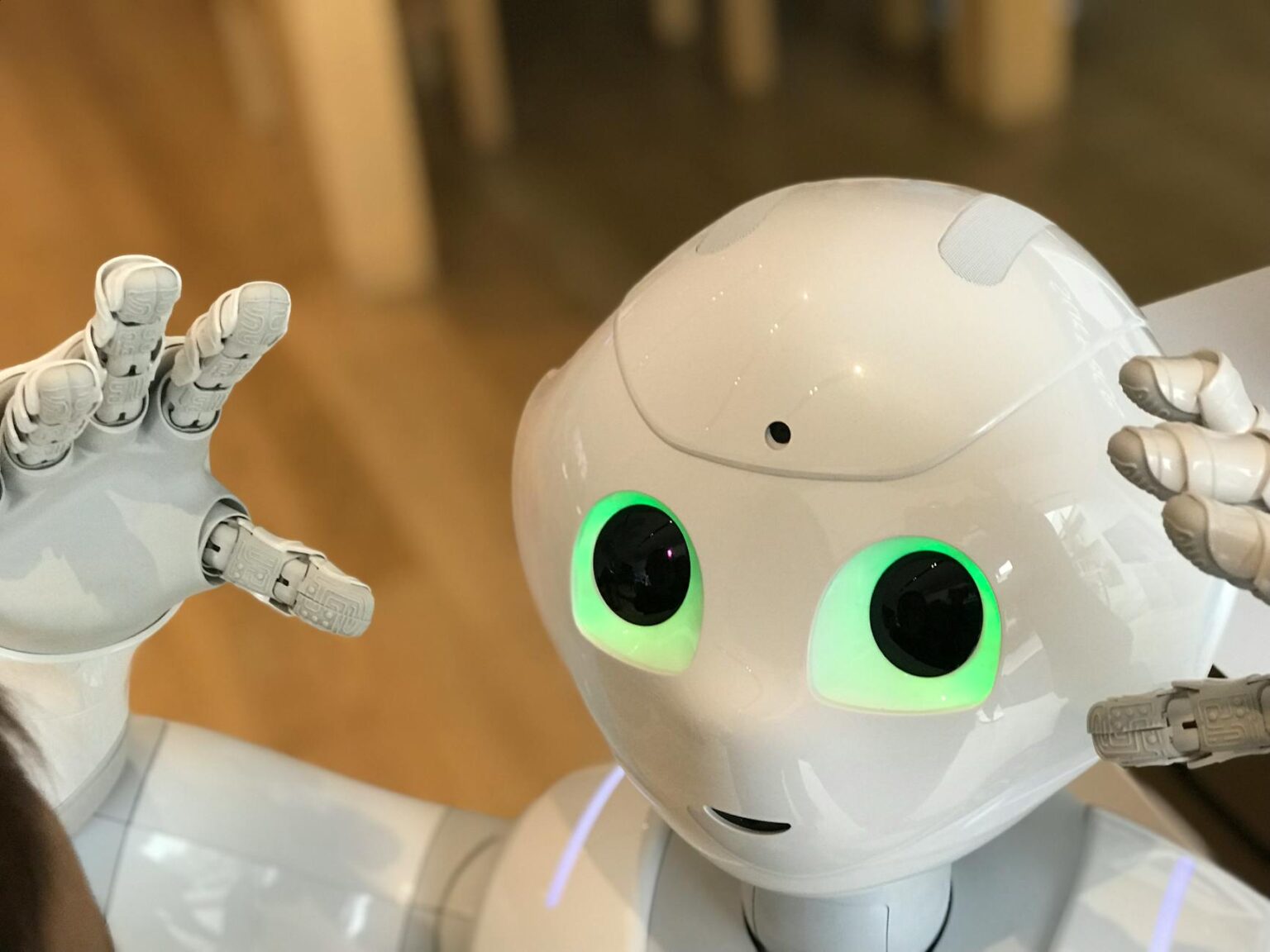
The startup in question has reportedly been working on robots that can walk, talk, recognize faces, respond to emotional cues, and engage in educational play. These machines are engineered not just to entertain, but to serve as interactive learning companions that can adapt to a child’s developmental stage, learning pace, and personality.
Amazon’s acquisition is believed to be valued in the hundreds of millions of dollars, though exact figures have not been officially confirmed. What is clear, however, is that Amazon sees enormous potential in integrating humanoid robotics into the everyday lives of families.
—
Humanoid Robots for Kids: Why Now?
The timing of this acquisition is not accidental. Several forces have converged to make this the right moment for humanoid robots aimed at children.
1. Advances in AI and Natural Language Processing
Thanks to breakthroughs in large language models and conversational AI — technologies Amazon is deeply invested in through Alexa and its cloud computing arm, AWS — robots can now hold natural, responsive conversations with children. This makes them far more engaging and educationally effective than previous generations of toy robots.
2. Post-Pandemic Learning Gaps
The COVID-19 pandemic exposed significant gaps in traditional education systems. Parents and educators have been actively searching for supplementary tools that can offer personalized learning at home. A humanoid robot that doubles as a tutor, storytelling companion, and homework helper fits perfectly into this need.
3. Growing Robotics Market
The global robotics market is projected to exceed $200 billion by 2030. Within that, consumer and companion robots represent one of the fastest-growing segments. Investing now allows Amazon to stake its claim before competitors like Google, Apple, or emerging Chinese tech firms dominate the space.
—
What Can These Robots Actually Do?
Based on reports and demonstrations from the startup’s portfolio, the humanoid robots being developed are genuinely impressive in their capabilities.
– Conversational Learning: The robots can engage children in dialogue, answer questions, tell stories, and even quiz them on subjects like math, science, and language arts.
– Emotional Recognition: Using built-in cameras and AI, the robots can detect when a child is frustrated, bored, or excited, and adjust their responses accordingly.
– Physical Interaction: Unlike screen-based learning tools, these robots have physical forms that can gesture, nod, and move — making interactions feel more lifelike and engaging.
– Parental Controls and Monitoring: Parents can set educational goals, monitor progress, and control the content the robot delivers through a companion app.
– Safety Features: The robots are designed with child safety as a priority, featuring rounded edges, non-toxic materials, and strict data privacy protocols.
—
Amazon’s Bigger Vision
This acquisition fits neatly into Amazon’s broader strategy of embedding itself into the home. From smart speakers with Alexa to the Ring security ecosystem, Amazon has consistently worked to become an indispensable part of domestic life. A humanoid robot for children is arguably the most intimate version of that vision yet.
Imagine a household where Amazon’s robot greets your child in the morning, helps them prepare for school, reads them a bedtime story, and reports learning milestones back to parents — all while seamlessly integrating with Amazon’s existing suite of products and Prime services. The commercial potential is enormous, and the ecosystem lock-in would be unprecedented.
—
Concerns and Ethical Considerations
Of course, not everyone is celebrating. Critics and child development experts have raised important questions about the implications of humanoid robots for kids.
Privacy Concerns: A robot that listens, watches, and interacts with children around the clock represents a significant data collection opportunity — and a significant privacy risk. Amazon has faced scrutiny in the past over Alexa’s data practices, and those concerns will be amplified when the subject is a child.
Screen Time and Social Development: There is ongoing debate among psychologists about whether AI companions, even physical ones, could substitute for or interfere with real human social development. A child who bonds deeply with a robot may face challenges in developing empathy, conflict resolution, and genuine human connection.
Equity and Access: If these robots are priced at a premium, they will only be accessible to wealthier families, potentially widening existing educational inequality gaps.
Amazon has stated that it takes these concerns seriously and is committed to working with child development experts, educators, and policymakers to ensure responsible deployment of the technology.
—
What This Means for the Robotics Industry
Amazon’s entry into the humanoid robot space for children is a signal flare to the entire industry. Other major players will now accelerate their own programs, startups will attract more funding, and competition will intensify. This is likely to drive innovation rapidly, pushing the technology further and potentially bringing costs down over time.
For parents, educators, and children, this could represent the beginning of a genuinely transformative era — one where learning and play are enriched by intelligent, responsive robotic companions. Whether that future is utopian or something more complicated will depend largely on how companies like Amazon choose to build, regulate, and deploy these remarkable machines.
—
Looking Ahead
The acquisition is still in its early stages, and it may be several years before consumers see a finished product on shelves — or available through Amazon Prime, as seems inevitable. But the direction is unmistakable. Amazon is betting that the next frontier in home technology isn’t a smarter speaker or a faster delivery drone. It’s a robot your child can grow up with.
As humanoid robots for kids move from concept to reality, the world will be watching closely — and so will an entire generation of future robot owners who don’t yet know what’s coming.